The Best Listing Photo Isn’t AI-Staged. It’s Thoughtfully Designed.
Why the photo that wins the showing is the one somebody actually thought about.
By now you’ve tried an AI staging app, or a seller has sent you one of theirs. Upload the living room, pick a style, and seconds later it’s furnished.
I understand why agents use them. They’re fast and cheap, and on a phone screen the result looks fine.
But “looks fine” is a low bar for the photo that decides whether anyone books a showing.
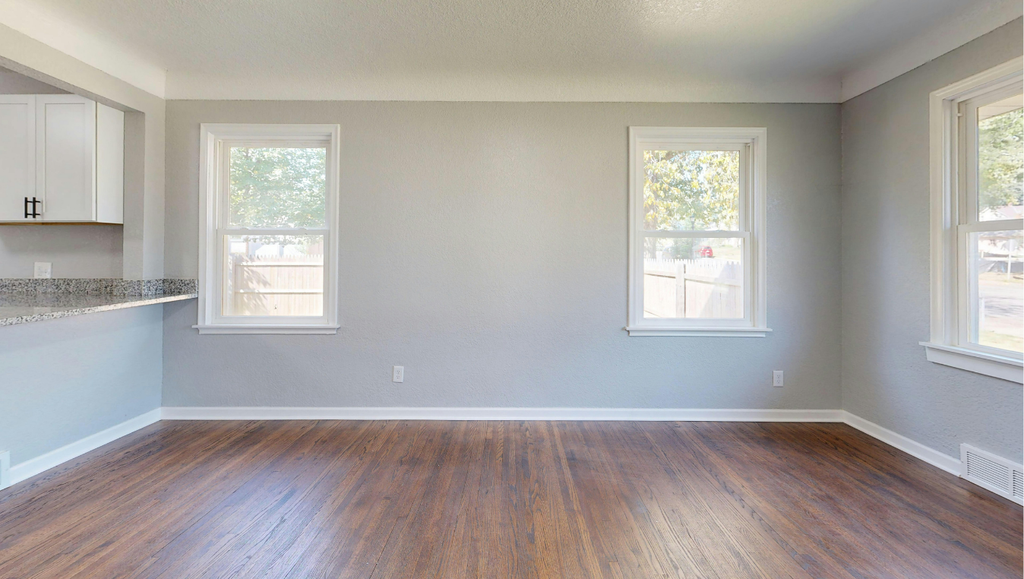
Generated isn’t the same as designed
An AI app produces a plausible room. A plausible room isn’t a decision.
Design is a series of decisions. Who is the likely buyer at this price? What is this room’s job? What’s its best feature, and what should the eye skip? What stays with the house and can’t change?
The app answers none of those questions. It fills floor space and moves on.
The fidelity problem is your problem
Look closely at AI-staged photos and the house starts to shift. A window gets wider. The ceiling gains a foot. The hardwood turns to tile. The view outside improves. Every round of edits drifts a little further from the actual property.
That matters because the listing carries your name, not the app’s. The NAR Code of Ethics asks REALTORS to present a true picture in their advertising, and many MLSs have their own rules on digitally altered photos. When a buyer walks in and the window is half the size they saw online, the conversation is with you.
It’s worth asking your broker how your office handles it.
Every house starts to look the same
The other problem is quieter. Scroll any market and you’ll see the same gray sofa, the same white throw and the same abstract print. A mid-century ranch and a new-build townhouse get dressed for the same imaginary buyer.
That isn’t neutral. At a given price point, it’s invisible. Buyers compare house against house, and the listing that looks like every other listing gives them no reason to pick it.
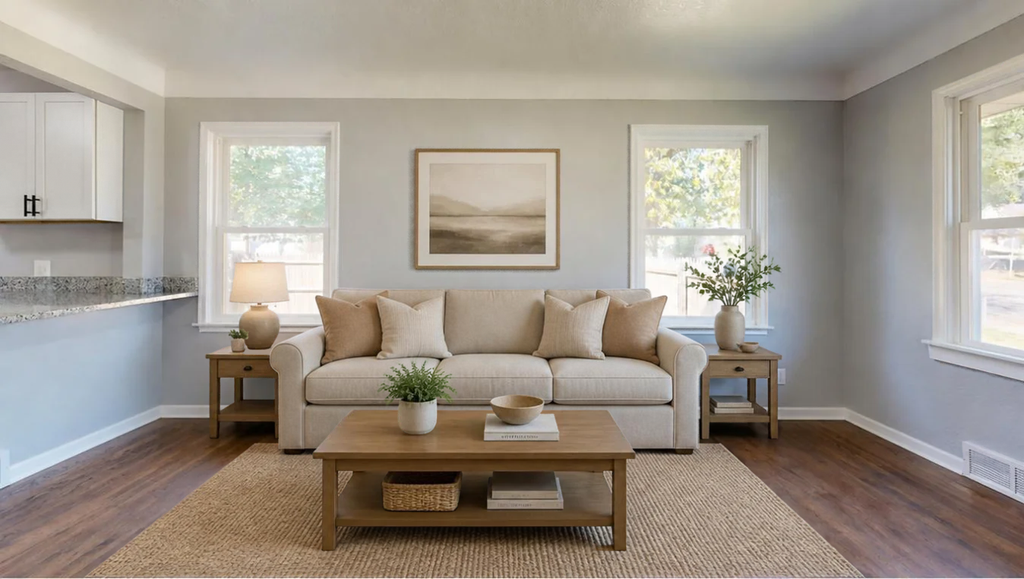
What thoughtfully designed looks like
Thoughtfully designed starts with the room that’s actually there:
- The architecture stays exactly as built: windows, ceilings, floors, trim, fixtures and the view.
- The furniture is sized for the room and arranged for how people would live in it.
- The styling speaks to the buyer this house is most likely to attract, not to everybody.
- The room’s best feature leads, and one object with some history keeps it from feeling like a showroom.
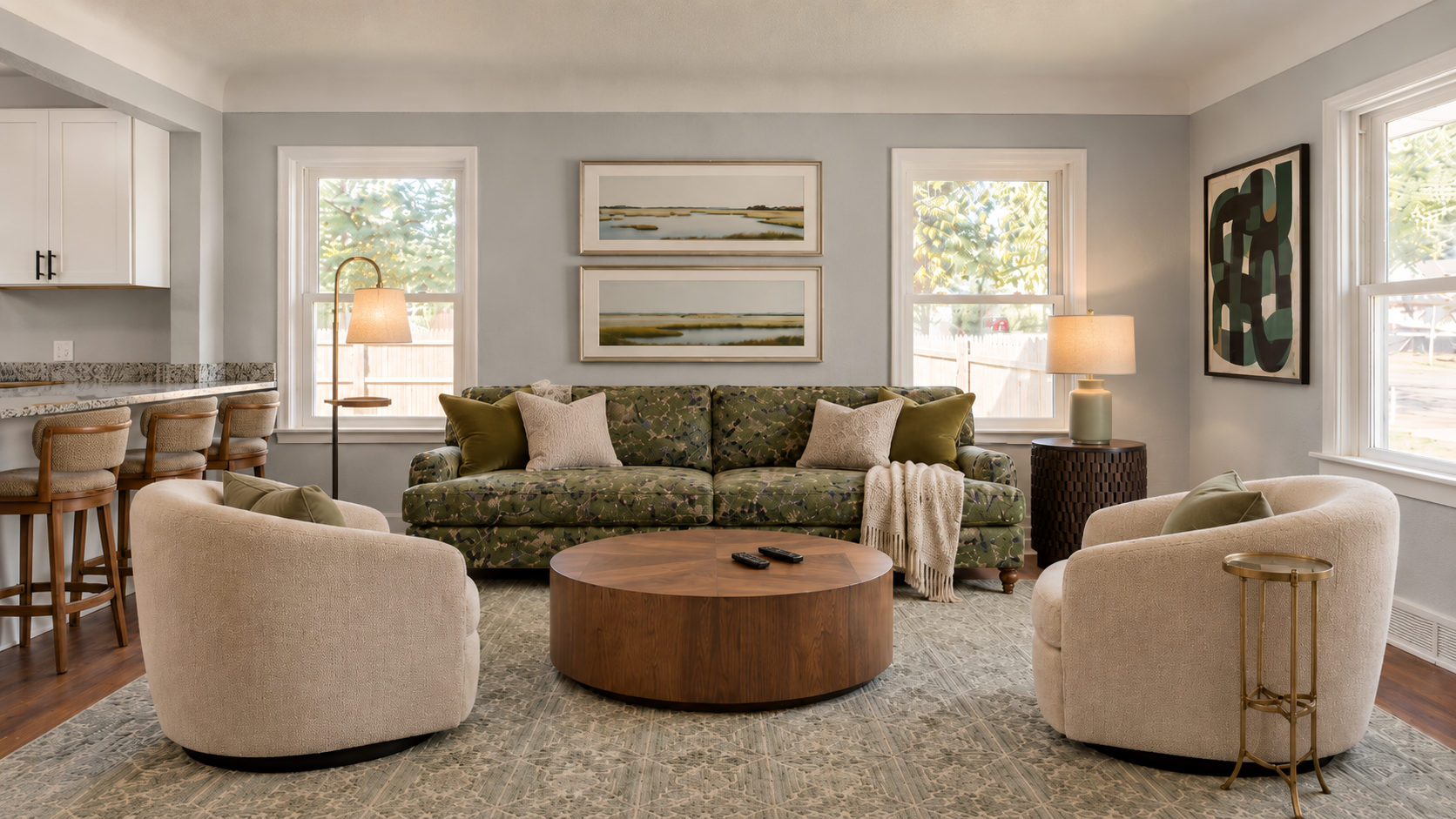
Same house. Better presentation. More desire. And nothing a buyer will find missing when they walk in.
Where I fit in your listing
I’m a Listing Presentation Designer. I spent fifteen years as founding editor of Chicago Home & Garden, deciding what rooms should look like before the camera came out. I use AI as a tool, but the design decisions are mine, and the property stays true to itself.
- Before you list: the Second Appointment. One room redesigned for your seller conversation, back in one business day. It shows the seller what you see in their house.
- A listing that isn’t moving: the Listing Refresh. Your listing photos redesigned with an editor’s eye and the architecture left untouched.
- Not sure what’s wrong? The $29 Listing Photo Review. A clear diagnosis of what your photos are and aren’t doing.
I won’t promise more showings or a higher price. Too much of that is out of anyone’s hands. But how well a listing communicates its value is the part you can control, and it starts with the rooms.